If you've been scrolling through social media lately, you could be forgiven for thinking that hormone replacement therapy is the only answer to menopause. Every podcast, every influencer, every comment section seems to be singing the praises of estrogen patches and testosterone pellets. Now, I am a strong advocate for hormone therapy when it is appropriate. But the truth is that it is not the right fit for every woman. And there are alternatives to HRT.
Maybe you have been told you are not a candidate. Maybe you tried it, and your body did not respond well. Maybe the cost is prohibitive, or you simply prefer to explore what your body can do with the right natural support before reaching for a prescription.
As a triple board-certified OB-GYN and integrative medicine physician, I have spent more than three decades helping women navigate menopause with and without hormones. What I have seen consistently is that the right combination of diet, lifestyle, targeted supplementation, and topical support can move the needle in ways that can surprise you.
I always recommend exploring those first. And then adding hormones where appropriate. Because putting hormones into a body that is inflamed and insulin-resistant will likely not yield the results you’re looking for.

In this article, we’ll explore:
First, Let's Clear Up a Common Confusion: What Is "Natural HRT"?
Before we dive in, it is worth addressing something that creates a lot of confusion in this space. When you search for "all natural HRT" or a "natural replacement for estrogen," you are sometimes looking for two very different things.
The first is bioidentical hormone therapy — hormones derived from plant sources that are molecularly identical to the ones your body produces. These are still hormones, still require a prescription (in most forms), and still carry a similar risk profile to conventional HRT. They are "natural" in origin but not non-hormonal. Bioidentical progesterone cream, like my Balance Cream, occupies a middle ground here. It is derived from wild yam, contains bioidentical progesterone, and can be used topically to support progesterone levels in perimenopause without a prescription — and if you want to understand the full picture of pregnenolone benefits alongside progesterone, that deeper dive is worth reading. For many women it is a gentle and effective first step.
The second category (and the focus of most of this post) is truly non-hormonal natural alternatives. These are dietary, lifestyle, herbal, and supplemental approaches that support your body's own hormonal ecosystem without introducing exogenous hormones.
Both categories have a place, and for many women the most effective approach combines elements of both.
Diet and Nutrition: Your Most Powerful Natural Tool
Food is genuinely one of the most powerful levers you have for managing menopause symptoms, and the research backs this up.
Phytoestrogens
Phytoestrogens are plant compounds that weakly mimic estrogen in the body by binding to estrogen receptors. The most studied are isoflavones, found in soy, tempeh, edamame, and flaxseed. Studies suggest that women who consume meaningful amounts of soy isoflavones regularly experience a reduction in hot flash frequency and severity. (1)
The operative word here is "meaningful." A sprinkle of edamame on a salad once a week is not going to move the needle. We are talking about regular, consistent consumption of whole food sources.
Flaxseed deserves its own mention. It is rich in lignans, another class of phytoestrogen, and some studies have examined its potential to reduce hot flash frequency, though results have been pretty mixed. (2) But I still add it to smoothies, oatmeal, or yogurt for its broader nutritional benefits, including fiber and omega-3 fatty acids.
Alkaline eating and the keto-green approach
One of the most consistent findings in my clinical practice and in my Magic Menopause Program is that women who shift toward an alkaline, anti-inflammatory diet, what I call the Keto-Green approach, experience a meaningful reduction in menopause symptoms across the board.
This lifestyle involves prioritizing leafy greens, cruciferous vegetables, healthy fats, quality protein, and dramatically reducing sugar and processed foods.
Why does this matter hormonally? Because inflammation drives cortisol, and cortisol competes with your other hormones. When you reduce the inflammatory burden on your body, your adrenal glands (which become your primary hormone producers after menopause) can do their job more effectively.
Cruciferous vegetables and estrogen metabolism
Broccoli, cauliflower, Brussels sprouts, and cabbage contain a compound called indole-3-carbinol, which supports healthy estrogen metabolism through the liver. Broccoli sprouts include a compound called glucoraphanin, which supports healthy levels of inflammation. This is particularly relevant for women in perimenopause who may be dealing with estrogen dominance symptoms like heavy periods, bloating, and mood swings.

Protein
Protein is having a moment right now.
That’s because, as estrogen declines, muscle mass becomes harder to maintain, and metabolic rate slows. Adequate protein (most research suggests 1.0 to 1.2 grams per kilogram of body weight for perimenopausal and menopausal women as a baseline, with higher amounts for those who are active or working on body composition) is essential for preserving muscle, stabilizing blood sugar, and supporting mood and cognitive function. (3, 4) Prioritize quality sources: eggs, fish, legumes, Greek yogurt, and if needed, a clean protein supplement.
Lifestyle Factors: The Foundation Everything Else Sits On
No supplement or herb will compensate for chronically poor sleep, unmanaged stress, and a sedentary lifestyle. These are not soft recommendations. They are the non-negotiables.
Sleep
Sleep disruption is both a symptom and a driver of hormonal imbalance. When you do not sleep, cortisol rises, insulin sensitivity drops, and your body's ability to regulate temperature, mood, and inflammation deteriorates. Prioritizing sleep hygiene with consistent bedtimes, a cool, dark room, limiting screens before bed, and addressing night sweats where possible is foundational to everything else on this list.
Get more ideas to help you sleep more soundly here.
Stress management and cortisol
I call cortisol one of the three prongs of what I refer to as the “devil's pitchfork” — alongside adrenal dysfunction and hormone imbalance. In perimenopause and menopause, women become significantly less stress-resilient because the hormones that used to buffer cortisol, particularly progesterone, are no longer available in the same quantities. This means stress hits harder and stays longer.
Practices that consistently lower cortisol include meditation, breathwork, gentle yoga, time in nature, and what I call "oxytocin snacks" throughout the day — brief moments of connection, laughter, pleasure, or gratitude that activate your body's natural bonding hormone.
Alcohol reduction
This is a hard one for many women, but the evidence is clear. Alcohol disrupts sleep architecture, raises cortisol, impairs liver function (which is critical for hormone metabolism), and is associated with increased hot flash frequency and severity. Even one or two drinks per night can significantly worsen menopause symptoms and undermine every other strategy on this list.
Exercise: The Natural Hormone Regulator
Exercise is one of the most underutilized natural alternatives to hormone therapy, and the type of exercise matters enormously in this life stage.
Strength training
I say it constantly: muscle is magic in menopause. Strength training two to four times per week preserves lean muscle mass, improves insulin sensitivity, supports bone density, reduces visceral fat, and has been shown to reduce the frequency of hot flashes. (5) If you are not lifting weights yet, this is the single most impactful exercise change you can make.
Walking and low-intensity movement
Daily walking, particularly outdoors, supports cortisol regulation, improves mood, aids sleep, and has a meaningful impact on cardiovascular health. Aim for at least 7,000 to 10,000 steps daily.
Pelvic floor exercise
Kegel exercises, along with broader pelvic floor strengthening, directly support bladder control, reduce incontinence, and improve sexual function. These become increasingly important as tissue elasticity changes with declining estrogen and DHEA. They take five minutes a day and the impact is significant.
High intensity training
Now, I know there are a lot of women who are scared of high intensity interval training (HIIT). Because for some women in perimenopause, particularly those with high cortisol and adrenal dysfunction, excessive high-intensity interval training can actually worsen symptoms by driving cortisol higher.
The keyword here is excessive. If you are hammering out daily 1,000-calorie-burning, hour-long HIIT sessions, you’re pushing yourself too hard and driving up the cortisol. If you are exhausted after workouts rather than energized, this is a signal to dial back the intensity and prioritize recovery.
However, most women aren’t getting enough exercise. And HIIT workouts give you a quick boost that you can benefit from in less than 20 minutes. In fact, I outline several 16-minute workouts in my book, Keto-Green 16.
Herbal Alternatives and Adaptogens
Here is an honest, evidence-informed overview of what works, what might work, and what to be cautious about.
Maca root
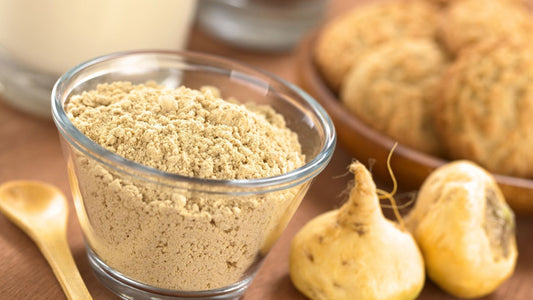
You know I have to sing the praises of maca. Maca (Lepidium peruvianum) is one of the most well-studied natural alternatives to HRT for menopause, and it is one I use extensively in my own practice. It is an adaptogenic root from the Peruvian Andes that has been shown in clinical studies to reduce hot flashes, improve mood, support energy, and enhance libido in perimenopausal and postmenopausal women — without directly introducing hormones into the body. (6, 7) It works by supporting the hypothalamic-pituitary-adrenal axis, helping your body regulate its own hormonal output more efficiently.
Mighty Maca® Plus is my professional-grade superfood blend built around organic maca, combined with a broad spectrum of adaptogens, antioxidants, and alkalizing greens that amplify its effects. It is one of the first things I reach for with women who are not on systemic HRT and need meaningful, foundational hormonal support. And, for women who are on systemic HRT, I also reach for it! So many of these lifestyle and nutrition focused interventions complement hormone therapy. It doesn’t have to be an either/or situation.

Black cohosh
Black cohosh is one of the most commonly studied herbal alternatives for menopause symptoms, particularly hot flashes. The evidence is mixed. The most comprehensive Cochrane review found insufficient evidence to confirm its effectiveness, while some meta-analyses have shown modest benefit for vasomotor symptoms in the short term. (8)
It is generally considered safe for most women for up to six months, although it carries a rare but serious risk of liver disease. Women with a history of liver disease or hormone-sensitive cancers should definitely discuss it with their physician before use.
Ashwagandha
Ashwagandha is a powerful adaptogen with strong evidence for reducing cortisol, improving thyroid function, supporting sleep, and reducing anxiety…All of which have indirect but meaningful effects on hormone balance. (9) It is particularly useful for women whose menopause symptoms are significantly driven by stress and adrenal dysfunction, which, in my experience, is the majority of women.
Rhodiola
Rhodiola rosea supports energy, cognitive function, and stress resilience. It is particularly helpful for the brain fog and fatigue component of perimenopause and menopause, and could pair well with ashwagandha in an adaptogenic protocol.
Red clover
Red clover is rich in isoflavones and has been studied as a natural alternative to estrogen, with some evidence supporting a reduction in hot flash frequency. (10) Results are variable, and it is not appropriate for women with a history of hormone-sensitive conditions without medical guidance.
Evening primrose oil
Evening primrose oil contains gamma-linolenic acid, a fatty acid that some women find helpful for hot flashes, breast tenderness, and skin dryness. The evidence is limited, but the safety profile is good. (11)
What to be cautious about when it comes to herbs
Not all herbs are created equal, and not all are appropriate for all women. Herbs like dong quai and wild yam extract are often marketed as natural estrogen replacements, but the evidence for systemic hormonal effects is weak, and the quality control across products is inconsistent. Work with a knowledgeable practitioner before self-prescribing herbal protocols, particularly if you have a personal history of hormone-sensitive conditions.
Targeted Supplementation
Beyond herbs, several evidence-backed supplements play a meaningful supporting role in natural menopause management.
Magnesium
Magnesium is involved in over 300 enzymatic processes in the body and is depleted by stress, alcohol, and poor diet — all of which are common in the peri/menopause years. It supports sleep quality, reduces anxiety, helps with muscle cramps, and supports bone density. (12) Magnesium glycinate or threonate are the most bioavailable forms for most women.
I use this magnesium powder as a fun little night cap alternative to wine at night!
Vitamin D3 with K2
Low vitamin D is epidemic in midlife women and directly impacts bone density, immune function, mood, and metabolic health. Supplementing with D3 alongside K2 may support calcium utilization and reduce cardiovascular risk, as vitamin D alone may end up blocking your arteries with calcium. (13)
Most women need between 2,000 and 5,000 IU daily, depending on baseline levels. Always test, don’t guess when it comes to Vitamin D.
Here is the D3/K2 formula I use.
Omega-3 fatty acids
Omega-3s from fish oil or algae support cardiovascular health, reduce inflammation, improve mood, support vaginal tissue health, and have been shown in some studies to reduce hot flash frequency. (14) Aim for at least 2 grams of combined EPA and DHA daily from a high-quality, third-party tested source.
Here’s one that fits the bill nicely.
B vitamins
The B vitamin complex, particularly B6, B12, and folate, supports mood regulation, cognitive function, and energy production. B6 specifically plays a role in progesterone synthesis and neurotransmitter balance. Deficiencies are common in midlife women, especially those who have used oral contraceptives.
Probiotics
Gut health and hormone health are deeply connected. The estrobolome (the collection of gut bacteria responsible for metabolizing estrogen) directly influences circulating estrogen levels. Supporting gut microbiome diversity through probiotic-rich foods and a targeted probiotic supplement supports more efficient hormone metabolism and could reduce symptoms associated with estrogen fluctuation.

Natural Alternatives for Vaginal and Genitourinary Symptoms
GSM, or the genitourinary syndrome of menopause, is the technical term for the cluster of symptoms that attack your vagina and bladder during menopause. Thinning, dry tissues, and bladder infections that keep coming back are the calling card of this syndrome. And it’s incredibly common.
If you can’t or don’t want to take systemic estrogen, local, topical approaches can be remarkably effective for vaginal dryness, tissue thinning, painful intercourse, and recurrent UTIs — without necessarily absorbing hormones into your entire body.
Topical DHEA
DHEA is the precursor hormone from which both estrogen and testosterone are made locally in vaginal tissue. As DHEA declines with age, vaginal tissue loses its moisture, elasticity, and resilience. Topical DHEA applied directly to the vulvar area works at the local tissue level to restore these qualities without the systemic effects of estrogen. (15)
Julva is my topical vulvar cream that combines bioidentical DHEA with alpine rose plant stem cells, which amplify cellular regeneration and tissue renewal. It is one of the most effective tools I have for women who are not candidates for systemic HRT but are struggling with dryness, discomfort, and genitourinary symptoms. Many women notice meaningful improvement in comfort, moisture, and intimacy within four to eight weeks of consistent use.
Learn more about Julva and why thousands of women love it here.
Pelvic floor physical therapy
If you’re experiencing pain with intercourse, pelvic floor physical therapy is sometimes the missing piece. A skilled pelvic floor therapist can address muscular tension, scar tissue, and coordination issues that contribute to painful intimacy in ways that no cream or supplement can fully replicate.
Natural Alternatives Specifically for Perimenopause
In perimenopause, estrogen is not simply declining; it is fluctuating wildly, sometimes spiking to levels higher than normal before dropping. Progesterone, however, is declining consistently and significantly from as early as the mid-30s.
This means that many perimenopausal women are actually dealing with relative estrogen dominance alongside progesterone deficiency — a combination that drives heavy periods, bloating, mood instability, anxiety, and sleep disruption. The natural alternatives that tend to be most effective in this phase are those that support progesterone and reduce estrogen excess rather than those that boost estrogen.
Specifically useful in perimenopause: DIM (diindolylmethane) from cruciferous vegetables to support estrogen metabolism, topical progesterone like Balance Cream to gently support progesterone levels, adaptogenic herbs like ashwagandha and maca to support adrenal function, and aggressive stress and cortisol management since cortisol is the hormone most directly competing with progesterone during this phase.
Balance Cream is something I use extensively with perimenopausal women as a foundational first step before considering any prescription hormone therapy. Applied topically to the inner wrists, inner arms, or inner thighs, it delivers bioidentical progesterone transdermally in a way that many women find supportive for mood, sleep, and cycle irregularity within the first month or two of consistent use.
Mind-Body Approaches
The mind-body connection is real, and you shouldn’t dismiss it when your hormones are being difficult. Practices that activate the parasympathetic nervous system (your rest and repair mode) directly influence cortisol, inflammation, and hormonal regulation.
Acupuncture
Acupuncture has a meaningful body of evidence supporting its use for hot flash reduction, sleep improvement, and mood stabilization in menopause. (16) It is not a replacement for hormones in women with severe symptoms, but as part of a comprehensive natural protocol, it can contribute meaningfully.
Cognitive behavioral therapy for menopause
CBT adapted specifically for menopause has been shown in clinical trials to reduce the perceived burden of hot flashes even when it does not reduce their frequency. (17) How you relate to your symptoms matters as much as the symptoms themselves.
Breathwork and meditation
Slow, controlled breathing activates the vagus nerve and shifts the body out of sympathetic dominance. Even five minutes of diaphragmatic breathing daily has measurable effects on cortisol and heart rate variability. Meditation apps or simple box breathing techniques are easily accessible.
What Natural Alternatives Can and Cannot Do
For women with mild to moderate symptoms, a well-designed natural protocol combining the strategies in this post can be genuinely transformative. I have seen thousands of women whose hot flashes virtually disappeared, whose sleep normalized, whose libido returned, and whose energy came back — all through natural approaches done well.
For women with severe symptoms, particularly significant vasomotor symptoms, rapid bone loss, early menopause, or significant cognitive symptoms, natural alternatives alone may not be sufficient. In those cases, the conversation about HRT or bioidentical hormone therapy is worth having with a knowledgeable integrative physician, even if you have been told in the past that it is not an option for you. The landscape of what is possible has changed significantly in the past few years.
The best outcomes I see are almost always in women who treat natural support not as an alternative to working with a physician but as a foundational complement to an individualized, monitored approach.
I’d love to teach you how to build your own foundation in my Magic Menopause Program. Sign up here to get on the waitlist. It kicks off this fall.
Closing Thoughts: Natural Alternatives For HRT
Your body has an extraordinary capacity to regulate itself when given the right inputs — the right food, the right movement, the right stress support, the right targeted supplementation, and the right topical care for local symptoms.
If you are not sure where to start, take my Menopause Decoded Quiz — it will help you identify your specific menopause profile and meet you where you’re at with no judgment whatsoever.
This post is for informational purposes only and is not a substitute for personalized medical advice. Please consult your healthcare provider for diagnosis and treatment. Any references to supplements have not been evaluated by the FDA. These products are not intended to diagnose, treat, cure, or prevent any disease.