We’ve received the message loud and clear that we need to “eat less, move more.” But is that really the best strategy for midlife? When what you’ve been doing all your life to maintain your weight stops working…the shortcomings of this strategy become all too apparent.
And then you’ve got the “you can’t escape the laws of thermodynamics!” crowd still pushing this eat less/move more theory, even in the face of science that says it just doesn’t account for a midlife metabolism that’s been compromised by a lifetime of undereating and yo-yo dieting, or one that’s suddenly battling insulin resistance.
Weight gain in peri/menopause is real. And in turn, so is the threat to your metabolic health. It’s not about fitting into your high school clothes. It’s about protecting your heart, your liver, and your overall longevity so you can thrive and live a healthy, vibrant life. . It's not about fitting into your high school clothes. It's about protecting your heart, your liver, and your overall longevity — including breast health (if you've ever looked into a diet for atypical ductal hyperplasia, you know how closely metabolic health and breast health are linked) — so you can thrive and live a healthy, vibrant life.
But eating less isn’t the answer. Here’s why and what to do instead.
What Eating Less Does To Your Metabolism
The frustrating truth is that when you eat less, your body does exactly what it's designed to do. Hold onto excess calories to protect you from starving over a long winter with little access to food. When you drastically cut calories, your body doesn't get the message to "burn fat for bikini season." Instead, it hears "resources are scarce" and doubles down on storing everything it can.
And then, when hormones shift during perimenopause and menopause? Forget about it. Your metabolic playbook completely changes. That eat less, move more approach that seemed somewhat logical for decades? Your body is not willing to play along.
Think of your metabolism like a thermostat. In your 20s and 30s, you adjusted quickly to changes. But now it's become incredibly cautious, treating every calorie restriction like a potential famine. And unlike that programmable thermostat in your home, you can't just override the settings with willpower.
Let's dive into the six scientific reasons why “eat less, move more” is backfiring, and more importantly, what actually works instead.
1. Insulin Resistance
During menopause, declining estrogen affects how your cells respond to insulin. It's like your cells suddenly need a hearing aid. Insulin is knocking on the door, but they can’t quite hear it.
Now, restricting calories can have an effect on your insulin signaling, and this is where we often see great results with strategic fasting.
I teach these strategic fasting methods in my Keto-Green 16-day reset, and pairing them with the right meals — like this intermittent fasting lamb recipe — makes the whole approach much more sustainable. You can get access to it for FREE when you purchase the Keto-Green 16 jumpstart kit > HERE.
Problem is, if you don’t restrict with a solid plan, and then you start eating again, a body that’s insulin resistant will become flooded with glucose and turn every bit of your caloric intake into visceral fat — the kind that threatens your heart and destroys your metabolic health.
This is why my students see such an improvement in their overall well-being and lose pounds when they shortcut insulin resistance and eat an abundance of vegetables and healthy fats.
2. Starvation Tanks Your Metabolism + Boosts Food Noise
In the World War II era Minnesota Starvation Experiment, healthy young men ate about 1,600-1,800 calories daily and did plenty of exercise for six months. (1-3)
Yes, they lost about 25% of their body weight. But also, their metabolisms plummeted. They became obsessed with food, dreaming about it, talking about it constantly.
When the study ended, and they could eat normally again, they didn't just return to their starting weight. Most overshot it significantly, gaining more fat than they'd started with. Regaining muscle (a key component of metabolic health and your best tool for beating insulin resistance) was challenging.
Sound familiar? That food noise you're battling? It's not because you lack discipline. It's because your metabolism and brain are responding to restriction in the same way those study participants did.
Like I said earlier, your body cannot distinguish between a voluntary diet and an actual famine. To your ancient survival mechanisms, "eat less, move more" translates to "danger, conserve everything."
The Biggest Loser study drove this home in the modern era. Six years after the show, contestants' metabolisms were still suppressed, burning 500 fewer calories per day than expected for their size. Their bodies just couldn’t forget the extreme restriction. (4)
3. Your Hunger Hormones Get Mixed Up
When you eat less, move more, two hormones stage a revolt that would make any teenager proud. Leptin, your "I'm satisfied" hormone, decreases. Meanwhile, ghrelin, your "feed me now" hormone, increases.
In other words, you have a harder time feeling full and an easier time feeling hungry. (5)
Talk about the perfect storm for weight gain!
4. Cortisol: The Stress Hormone That Creates Belly Fat
Aggressive calorie restriction increases cortisol, your primary stress hormone.
And guess what cortisol loves to do? Store fat right around your midsection, exactly where you're trying to lose it.
When you combine the stress of eating less with the stress of intense exercise, you're essentially sending your body a telegram that reads: "EMERGENCY! STORE ALL AVAILABLE ENERGY AS BELLY FAT IMMEDIATELY!"
During menopause, when cortisol is already elevated due to hormonal changes, adding the stress of severe restriction is like throwing gasoline on a metabolic fire. Your body responds by slowing everything down and holding onto fat like it's preparing for an apocalypse.
5. Your NEAT Disappears
James Levine's research on NEAT (Non-Exercise Activity Thermogenesis) revealed something fascinating: people who don't gain weight easily have a secret weapon. They unconsciously move more throughout the day. They fidget, gesture while talking, and take the stairs without thinking about it. (6)
But when you restrict calories? Your NEAT plummets. You might nail that morning workout, but then you're unconsciously conserving energy the rest of the day. You sit longer, move less, and even gesture less animatedly when you talk. Your body is brilliant at conservation when it thinks resources are scarce.
The result? That hour of cardio you suffered through might be completely offset by the reduced movement throughout your day.
6. Your Body Shuts Down Hormone Production
Here's the part that should make you put down that 1,200-calorie-a-day diet plan immediately: your body needs adequate calories and especially fats to produce hormones.
During menopause, when hormone production is already declining, restricting calories and dietary fat is like trying to build a house while someone's stealing your lumber.
Your body needs cholesterol and nutrients to create the hormones that regulate everything from your mood to your metabolism.
When you're constantly eating less, you're depriving your body of the raw materials it needs to function optimally. It's not just about weight, either. It's about sleep, energy, mood, libido, and overall well-being.
What Actually Works: Alkalinity, Fats, And Plenty Of Food
So if eat less, move more is making things worse, what's the solution?
It's time for a complete paradigm shift.
Rebuild Trust With Your Body
Your body has been in defensive mode, possibly for years. The first step isn't another restriction.
It's showing your body that resources are abundant and it's safe to release excess weight. This means eating consistently, adequately, and nourishingly. Yes, this might feel counterintuitive. But when you focus on the quality of your nutrition and give your body whole foods, it will begin to trust you again, and in turn, your metabolism can return to normal.
Flood Your System With Nutrients
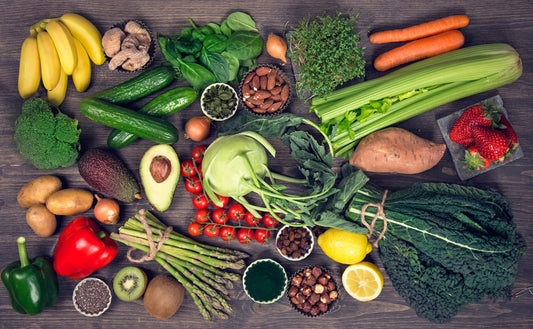
Instead of counting calories, focus on nutrient density. Load up on healthy fats. Avocado, olive oil, nuts, seeds, fatty fish. These aren't just calories; they're hormone-building blocks. Fill your plate with colorful vegetables that provide the micronutrients your body craves. Think abundance, not restriction.
Move Your Body Joyfully
Replace punishing workouts with movement that feels good. Walk in nature. Dance in your kitchen. Try gentle yoga or strength training. The goal isn't to burn maximum calories, it's to support your metabolic health, maintain muscle mass, and reduce stress. When movement stops being punishment for eating, everything changes. In my Keto-Green 16 program, we focus on short bursts of intense workouts that are over in minutes.
Prioritize Sleep Like Your Metabolism Depends on It (Because It Does)
Poor sleep disrupts every hormone involved in weight regulation. Prioritize getting 7-9 hours of quality sleep. Your metabolism will thank you in more ways than one.
Read more about the connection between sleep and weight loss here.
The Keto-Green® Lifestyle
When you’re able to finally let go of the idea of just eating less to lose weight in menopause, you open yourself up to the possibility of really fueling your body and your hormones the right way.
And here’s the truth. If eating less worked, you’d be at your healthiest weight by now…
The path forward isn't through more restriction, more cardio, or more willpower. It's through nourishment, consistency, and working WITH your body's changing needs rather than against them.
I’d love to teach you exactly how to incorporate these ideas in my signature 16-day Keto-Green reset.

This kit gives you the nutrients your body craves and the ability to test your body’s response to the program, so you can SEE it working.
Thousands of women from all over the world have used this kit to lose weight, support healthy levels of inflammation, and overall kickstart their healthiest life in menopause and beyond.
I’d love to have you join us and experience the magic that is Keto-Green 16.
Your body has carried you through decades of life. Maybe it's time to stop punishing it and start giving it what it actually needs…nourishment, respect, and trust.
Grab your Quick Start Kit here and let’s do this!