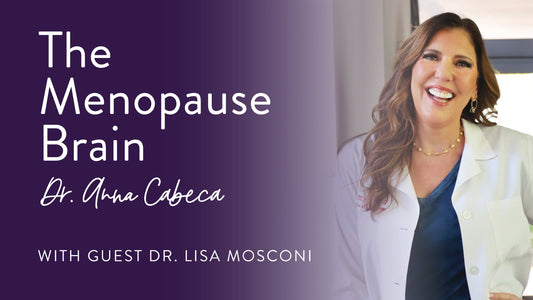
Key Topics & Timestamps
00:00 – Welcome to The Girlfriend Doctor Podcast
02:30 – Why gut health is the foundation of hormone balance
06:45 – The estrobolome: your gut's role in estrogen detox
12:10 – Leaky gut, inflammation, and menopause symptoms
18:20 – Why weight gain happens (even when nothing changes)
24:50 – Stress, cortisol, and the gut-hormone connection
31:15 – FSH, inflammation, and what your labs are really telling you
38:40 – Trauma, ACES, and long-term hormone disruption
45:10 – Practical strategies to heal your gut in midlife
52:00 – Cynthia's top daily habits for hormone and gut health
Introduction: The Conversation We Need to Have
If there’s one thing I’ve learned in over three decades as a gynecologist and integrative medicine physician, it’s this: we cannot separate gut health from vaginal health—especially during menopause.
And yet, this is one of the most overlooked conversations in women’s health.
So many women come to me struggling with recurrent urinary tract infections, yeast infections, vaginal dryness, discomfort during intimacy, or even unexplained fatigue and fringe light therapy wand. They’ve been prescribed antibiotics repeatedly, often without real answers.
But here’s the truth:
These symptoms are not isolated—they are deeply connected to your microbiome, your hormones, and your gut.
Menopause is not the beginning of decline. It is a powerful transition—but only if we understand how to support our bodies through it.
Why Gut Health Is the Foundation of Hormonal Health
I often say this to my patients:
“I cannot fix your hormones if we don’t first fix your gut.”
Your gut microbiome plays a critical role in:
- Hormone metabolism
- Immune function
- Inflammation control
- Nutrient absorption
When your gut is imbalanced, everything downstream suffers—including your vaginal and urinary health.
During menopause, hormonal shifts—especially declines in estrogen, progesterone, and DHEA—create a ripple effect. These changes alter the environment of your gut and your vaginal microbiome.
And when that delicate balance is disrupted, symptoms begin to appear.
The Vaginal Microbiome: Your First Line of Defense
Let’s talk about something that doesn’t get nearly enough attention: the vaginal microbiome.
A healthy vagina is naturally acidic, with a pH between 3.5 and 4.5. This acidity is essential—it protects against harmful bacteria, viruses, and infections.
But as we age, especially during menopause:
- Vaginal pH becomes more alkaline
- Protective bacteria decline
- Tissue becomes thinner and drier
This creates the perfect environment for:
- Recurrent UTIs
- Yeast infections
- Bacterial vaginosis
- Vaginal odor and discomfort
At the center of this ecosystem are beneficial bacteria called Lactobacilli.
Lactobacillus: The Unsung Hero of Women’s Health
In a healthy vaginal environment, Lactobacillus species dominate. These beneficial bacteria:
- Maintain acidic pH
- Prevent harmful bacteria from attaching to tissues
- Reduce inflammation
- Protect against infections
But here’s the problem:
As estrogen declines, Lactobacillus levels drop.
This leads to increased bacterial diversity—which might sound good (like in the gut), but in the vagina, it’s not.
In fact, higher diversity here often means more harmful bacteria and increased infection risk.
Hormones, Gut Health, and Microbiome Changes
Menopause brings a cascade of hormonal shifts:
- DHEA declines starting in your 20s
- Progesterone drops significantly between ages 35–50
- Estrogen decreases, affecting tissue health
These hormones are not just about reproduction—they directly influence:
- Vaginal tissue elasticity
- Moisture and lubrication
- Microbiome stability
- Immune response
Without hormonal support, the vaginal environment becomes:
- Dry
- Fragile
- More prone to infection
And because the vaginal and urinary systems are closely linked, this also increases the risk of UTIs.
The Gut-Vagina Connection
Here’s where things get even more interesting:
Your gut microbiome influences your vaginal microbiome.
An imbalanced gut can lead to:
- Increased systemic inflammation
- Reduced immune defense
- Poor bacterial regulation
This is why simply treating vaginal symptoms without addressing gut health often fails.
Antibiotics, while sometimes necessary, can worsen the issue by:
- Killing beneficial bacteria
- Disrupting microbiome balance
- Leading to recurring infections
The Hidden Risks: Beyond Discomfort
Many women think of UTIs or vaginal infections as minor inconveniences—but they can have serious consequences.
For example:
- Chronic UTIs can lead to cognitive symptoms like confusion or brain fog
- In older adults, they are often mistaken for dementia
- Untreated infections can affect the entire nervous system
Even more concerning is the connection between microbiome imbalance and cervical health.
Research shows that changes in the vaginal microbiome can increase the risk of:
- HPV persistence
- Abnormal Pap smears
- Cervical cancer
This is why routine screenings and awareness are absolutely essential—even after menopause.
Common Mistakes Women Make
Over the years, I’ve seen a pattern of well-intentioned but harmful approaches:
- Relying solely on antibiotics
- Ignoring early symptoms
- Avoiding conversations about vaginal health
- Not supporting hormonal balance
- Overlooking gut health entirely
These approaches don’t address the root cause—and often make things worse.
A Better Approach: Supporting the Body Naturally
The good news? There is so much we can do.
1. Restore the Microbiome
Use targeted probiotics that include key Lactobacillus strains to:
- Rebuild protective bacteria
- Support vaginal and bladder health
2. Support Hormones
Hormonal support—especially topical or vaginal applications—can:
- Improve tissue health
- Increase moisture
- Restore elasticity
- Enhance microbiome balance
3. Strengthen the Pelvic Floor
Muscle health matters. Regular pelvic floor exercises help:
- Prevent incontinence
- Improve circulation
- Support structural integrity
4. Optimize Nutrition
A gut-friendly diet is essential:
- Fermented foods
- Healthy fats (like olive oil and avocado)
- Omega-3 fatty acids
- Low sugar intake
5. Reduce Inflammation
Chronic inflammation disrupts everything. Focus on:
- Whole foods
- Avoiding processed sugars
- Managing stress
Preventing UTIs and Recurring Infections
Simple strategies can make a huge difference:
- Stay well hydrated
- Urinate after intercourse
- Use vitamin C to support immune defense
- Avoid irritants like excessive sugar or caffeine
- Support tissue health with natural moisturizers
These small habits can dramatically reduce recurrence.
A Real-Life Transformation
I once worked with a woman in her 50s who experienced a UTI every time she became intimate with her partner.
She was on her third round of antibiotics and was told to take them daily.
Instead, we focused on:
- Restoring her microbiome
- Supporting vaginal tissue health
- Improving hydration and nutrition
The result?
Her infections stopped—and her relationship and confidence were restored.
This is what happens when we treat the root cause.
Menopause Is Not the End—It’s a New Beginning
Menopause is not a disease. It’s a transition.
But without the right support, it can feel overwhelming.
This is your opportunity to:
- Reconnect with your body
- Heal from within
- Build resilience for the decades ahead
Your gut health, your hormones, and your microbiome are all part of the same conversation.
Listen to the Full Podcast Episode
If this topic resonates with you, I encourage you to listen to the full podcast episode where I go deeper into:
- The science behind the vaginal microbiome
- Hormonal therapies and natural solutions
- My complete protocol for preventing UTIs and infections
This is a conversation every woman deserves to hear—and share.
Listen on YouTube | Apple Podcast | Spotify
Q&A:
Q: Why does gut health matter during menopause?
A: It regulates hormones, immunity, and inflammation—all of which affect vaginal and urinary health.
Q: What causes frequent UTIs during menopause?
A: Hormonal decline, microbiome imbalance, and weakened tissue defenses.
Q: Can probiotics help vaginal health?
A: Yes, especially those with targeted Lactobacillus strains.
Q: Is vaginal dryness normal in menopause?
A: Common, yes—but it can and should be treated.
Q: What’s the first step to improving symptoms?
A: Support your gut, balance your hormones, and restore your microbiome.