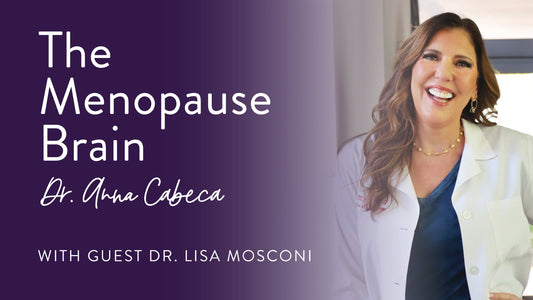
Key Topics Covered in This Episode
00:00 – Catching up and why health challenges look different today
01:10 – Post-pandemic health trends and nutrition confusion
04:40 – Food as medicine for mood and mental health
05:20 – Why protein is essential for neurotransmitters
06:30 – Egg yolks and other powerful brain foods
07:00 – Gut health, dysbiosis, and anxiety
08:00 – How much protein women and children really need
11:10 – Why eggs are not dairy and why whole foods matter
13:00 – The rise of anxiety medications vs root-cause medicine
15:00 – Microplastics and hidden environmental toxins
17:30 – Simple ways to reduce toxic exposure at home
19:30 – Using food to support detoxification pathways
21:30 – Environmental toxins and hormone disruption
23:00 – Natural strategies for calming the nervous system
26:30 – The best foods for neurotransmitters and mood
We are living in a world where environmental toxins are impossible to completely avoid. Microplastics are found in our water and food supply. Pesticides are sprayed in our communities. Processed foods dominate grocery store shelves. And the sheer volume of chemicals that our bodies must process today is significantly higher than what previous generations faced.
But here’s the good news: our bodies are incredibly resilient.
When we support our natural detoxification pathways and nourish our cells properly, we can fortify our bodies against environmental toxins and dramatically improve our resilience.
In a recent podcast conversation with functional dietitian Ali Miller, we dove deep into the connection between food, toxins, neurotransmitters, and mental health. The truth is that what we eat every day either strengthens our defenses or weakens them.
Today I want to expand on that conversation and share the most powerful strategies you can use to protect your body in a toxic world.
Why Environmental Toxins Matter More Than Ever
One of the biggest changes I’ve seen in my medical practice over the past decade is the growing influence of environmental toxins on women’s health.
Women come to me with symptoms like:
anxiety
brain fog
hormone imbalance
severe PMS
fatigue
autoimmune conditions
stubborn weight gain
Often these symptoms are treated with quick prescriptions — antidepressants, anti-anxiety medications, or hormone suppressing drugs.
But those treatments rarely address the root cause.
What we’re seeing today is a combination of toxic exposure, nutritional deficiencies, and chronic stress that is overwhelming the body’s natural regulatory systems.
Our hormones, neurotransmitters, and immune systems are all deeply connected to what we eat and what we’re exposed to.
When those systems become overloaded, symptoms appear.
The First Step: Returning to Whole Real Foods
One of the most powerful ideas Ali and I discussed is something incredibly simple:
Start with whole, real foods.
Before worrying about every dietary trend or controversial nutrition headline, ask yourself one question:
Is this food from nature, or from a factory?
Whole foods nourish the body in ways processed foods simply cannot. They contain the vitamins, minerals, amino acids, and phytonutrients that support detoxification and cellular repair.
Real food includes things like:
pasture-raised eggs
grass-fed meats
wild fish
organic vegetables
healthy fats
fermented foods
These foods provide the building blocks your body needs to maintain resilience.
Processed foods, on the other hand, often contain:
refined sugars
industrial seed oils
chemical preservatives
artificial colors and flavors
plastic packaging contaminants
Over time, these compounds increase inflammation and toxic load.
Protein: The Missing Piece for Brain and Hormone Health
One of the most overlooked nutritional deficiencies I see in women is inadequate protein intake.
Protein is not just about muscle. It is essential for:
neurotransmitter production
hormone balance
detoxification
immune function
metabolism
cellular repair
Protein breaks down into amino acids, which act as the building blocks for our brain chemistry.
For example:
Tryptophan helps produce serotonin, which regulates mood and sleep.
Tyrosine supports dopamine production, which influences motivation and focus.
Without adequate protein, the body simply cannot produce these important brain chemicals.
This is one reason so many women struggle with mood swings, anxiety, and fatigue.
The Brain-Boosting Power of Egg Yolks
One of my favorite brain foods is the humble egg — especially the yolk.
For years, people were encouraged to eat egg whites and discard the yolks. But the yolk is actually where most of the nutrients are found.
Egg yolks are rich in choline, a nutrient essential for the production of the neurotransmitter acetylcholine.
Acetylcholine supports:
memory
cognitive function
learning
nervous system balance
In fact, research shows that adequate choline intake can improve mental clarity and focus.
I often recommend eating three to four whole eggs at breakfast as a powerful way to nourish the brain and stabilize blood sugar.
And just to clear up a common misconception: eggs are not dairy. They are a protein food.
The Gut-Brain Connection
Another critical piece of the detoxification puzzle is the gut microbiome.
Our gut bacteria play a major role in:
neurotransmitter production
immune regulation
inflammation control
toxin metabolism
When the microbiome becomes imbalanced — a condition known as dysbiosis — it can lead to increased anxiety and stress responses.
In fact, certain gut infections can trigger excessive production of stress hormones like adrenaline.
This can create symptoms such as:
panic attacks
irritability
digestive issues
brain fog
Supporting gut health through probiotic foods and fiber-rich plants is essential for both detoxification and emotional balance.
Microplastics: The Hidden Toxic Threat
One of the most concerning environmental exposures today is microplastics.
These tiny plastic particles have been detected in:
drinking water
seafood
table salt
packaged foods
even human blood
Microplastics can disrupt the endocrine system and increase oxidative stress.
But rather than feeling overwhelmed, I encourage patients to focus on what they can control.
Some simple strategies include:
drinking from glass or stainless steel containers
avoiding plastic food storage
choosing wooden or bamboo cooking utensils
filtering drinking water
limiting heavily packaged foods
Small changes can significantly reduce your exposure.
The Ancestral Approach to Nutrition
Another concept I deeply believe in is returning to ancestral eating patterns.
Traditional cultures consumed the entire animal — not just muscle meat.
This included:
organ meats
bones
connective tissue
skin
These parts of the animal are rich in nutrients like collagen, glycine, and minerals that support gut health and detoxification.
Bone broth, slow-cooked meats, and collagen-rich cuts like short ribs provide compounds that help calm the nervous system and repair the gut lining.
Modern diets often skip these foods, but bringing them back can make a tremendous difference in overall health.
Environmental Toxins and Hormone Disruption
Women’s hormones are particularly sensitive to environmental toxins.
Many chemicals act as endocrine disruptors, meaning they interfere with normal hormone signaling.
These compounds can mimic or block hormones like estrogen, progesterone, and cortisol.
The result can be symptoms like:
severe PMS
irregular cycles
mood swings
infertility
weight gain
sleep problems
Supporting detoxification and reducing toxic exposures can dramatically improve hormone balance.
Calming the Nervous System Naturally
In addition to nutrition, regulating the nervous system is critical for resilience.
Chronic stress activates the fight-or-flight response, which increases inflammation and suppresses detox pathways.
Simple practices can help shift the body back into a parasympathetic, restorative state.
Some of my favorites include:
breathwork
prayer or meditation
grounding in nature
gentle movement
vagus nerve exercises
Even something as simple as slow, intentional breathing can help reset the nervous system.
The Power of Small Daily Changes
One of my guiding principles in medicine is what I call “lazy medicine.”
I’m always looking for the smallest changes that create the biggest results.
Instead of overwhelming yourself with dozens of lifestyle changes, focus on a few powerful habits:
Eat whole real foods
prioritize protein
support gut health
reduce plastic exposure
manage stress
Over time, these small actions create a powerful ripple effect throughout the body.
We may not be able to eliminate environmental toxins completely, but we can strengthen our bodies to handle them.
When we nourish our cells, support detox pathways, and calm the nervous system, our bodies become far more resilient.
Food truly is one of the most powerful forms of medicine we have.
And when we return to simple, whole, nutrient-dense foods, we create the foundation for lasting health.
If you want to dive deeper into this topic — including specific foods, strategies, and real-life examples — I invite you to listen to the full podcast episode.
Listen to the Full Conversation
YouTube | Apple Podcast | Spotify
Q&A:
Q: What are environmental toxins?
Environmental toxins are harmful substances found in food, water, air, and household products that can disrupt hormones, increase inflammation, and impair detoxification.
Q: How can food help detox the body?
Whole foods rich in antioxidants, fiber, and amino acids support the liver, gut, and kidneys — the body’s primary detoxification systems.
Q: Why is protein important for mental health?
Protein provides amino acids like tryptophan and tyrosine that are necessary for producing neurotransmitters such as serotonin and dopamine.
Q: Are eggs good for brain health?
Yes. Egg yolks are rich in choline, which supports memory, cognition, and nervous system function.
Q: What are simple ways to reduce toxin exposure?
Use glass food containers, filter drinking water, avoid plastic cooking utensils, and prioritize whole foods over packaged products.
Disclaimers
This article is educational and not a substitute for personalized medical advice. Please consult your healthcare provider for diagnosis and treatment. Supplements and compounded drops should be used under professional guidance. Cosmetic suggestions are for external use only; never place creams in the eye.