Unfortunately, PCOS does not simply end at menopause. The hormonal, metabolic, and inflammatory features of the condition have a way of following you into this chapter of life. But, just because you have polycystic ovarian syndrome (PCOS) doesn’t mean you have to take menopause and all that comes with it lying down.
Here’s the truth about PCOS and menopause that I’ve learned after over three decades as a gynecologist.
Table of Contents
Does PCOS Go Away After Menopause?
What Happens to PCOS Hormones in Menopause
The Weight and Insulin Resistance Challenge
PCOS Symptoms That Can Worsen After Menopause
What You Can Do: An Integrative Approach
Does PCOS Go Away After Menopause?
The short answer is: not entirely.
For many women, the most visible PCOS symptom, the irregular cycle, does resolve at menopause simply because periods stop altogether. But PCOS was never just about irregular periods.
The defining features of PCOS include androgen excess, insulin resistance, and chronic low-grade inflammation — all of which can drain your vitality, which is why understanding how to increase energy during perimenopause through targeted nutrition becomes especially important for women with PCOS. None of these is driven purely by sex hormones. All three can and do persist after menopause, often continuing to shape how you feel, how your body stores fat, how your cardiovascular system functions, and how your skin and hair behave. (1)
So does PCOS go away with menopause? Not for most women. What changes is the hormonal context in which it exists. And that shift brings its own set of complications.
Do polycystic ovaries go away after menopause? The ovarian cysts associated with PCOS, which are actually follicles that failed to mature and release, do tend to decrease as ovarian activity declines. (2) But, again, the condition is not defined by the cysts alone. The metabolic and androgenic symptoms persist.
What Happens to PCOS Hormones in Menopause
In the reproductive years, PCOS is characterized by elevated androgens, often accompanied by an elevated LH to FSH ratio, insulin resistance, and frequently…a relative deficiency of progesterone due to irregular or absent ovulation. Estrogen is typically present but unopposed or severely dysregulated.
At menopause, estrogen declines significantly. But androgens do not decline at the same rate. In fact, when estrogen declines, it tends to open up a spot that androgens step into and claim power.
The ovaries continue to produce androgens even after menopause, and the adrenal glands, which contribute meaningfully to androgen production throughout life, continue functioning as well. (3)
This means that as estrogen falls faster than androgens, the ratio between them shifts in a direction that can actually worsen androgenic symptoms in some women.
This also means hair thinning may accelerate. Unwanted facial hair may become more noticeable. Acne can persist or intensify.
Women who managed these symptoms reasonably well during their reproductive years sometimes find they worsen in the postmenopausal years.
Insulin resistance, the other cornerstone of PCOS, does not resolve at menopause either.
Research shows that insulin sensitivity declines further with the hormonal shifts of menopause, compounding the insulin resistance that was already present. (4) This is one of the reasons women with PCOS are at significantly elevated risk for type 2 diabetes and metabolic syndrome as they age.
PCOS and Perimenopause
The hormonal turbulence of perimenopause looks different when PCOS is in the picture.
In perimenopause, estrogen does not simply decline in a straight line. It fluctuates, sometimes spiking significantly before dropping. Progesterone, however, declines more consistently and substantially, often by as much as 75 percent between ages 35 and 50. (5)
Here’s the thing. In PCOS, progesterone is already low. Your body produces most of its progesterone only after you ovulate. And if you have PCOS, you aren’t ovulating regularly. So in perimenopause, your progesterone levels are often nonexistent.
The irregular cycles that characterize PCOS can also make it genuinely difficult to know when perimenopause has begun. If your periods were already unpredictable, how do you identify the transition?
Plus, PCOS and perimenopause symptoms can overlap significantly. Hot flashes, sleep disruption, mood changes, weight shifts, brain fog, and worsening fatigue are features of both, and distinguishing which condition is driving which symptom is not always straightforward.
There’s also a real problem with PCOS diagnosis that happens in peri. Many women struggle to get a PCOS diagnosis for years, and that means some women are not diagnosed until perimenopause…when a flare of symptoms finally prompts the right workup. While getting those answers is great, it doesn’t make the hormonal chaos any easier to manage.
The Weight and Insulin Resistance Challenge
Let’s be honest here. Your weight is not your value. No matter what you weigh or what size you are, you are worthy.
But the bottom line is that the excess weight that typically accompanies PCOS (yes, there are women with “thin” PCOS) can cause serious problems in menopause, like diabetes and heart disease.
And unfortunately, the weight that was already difficult to manage before…now feels impossible to shift. It’s not, though! So keep reading.
How To Lose Weight With PCOS And Menopause
PCOS creates a foundation of insulin resistance that makes the body far more prone to storing fat, particularly visceral abdominal fat, and far less responsive to caloric restriction alone.
Add to this the menopause-driven shift in fat distribution, where declining estrogen pushes fat straight to your midsection. (6) Then add in cortisol elevation that accompanies chronic hormonal disruption and the stresses of midlife. (7)
The result is a very challenging metabolic environment.
This is why the typical advice stops working. Please, can we stop coming at women with PCOS with this “eat less, move more” kind of advice? The calorie bullies online will insist that it’s all about “calories in, calories out,” but I can tell you after over 30 years in practice, it’s really not that simple.
What actually helps is a weight loss approach that addresses all three layers:
Insulin resistance
Estrogen-driven fat redistribution to the middle
Cortisol and adrenal function
This is where my Keto-Green, alkaline-leaning diet shines.
Eating Keto-Green (lots of veggies and healthy fats) helps to reduce insulin load directly, starves visceral fat, and supports the gut. It helps ease inflammation, too.
Get 11 of my favorite Keto-Green® recipes and see how they make you feel here.
Supporting adrenal function matters enormously here, too. In perimenopause and menopause, the adrenal glands become a primary hormone producer, and when they are under chronic stress, the entire hormonal and metabolic picture suffers.
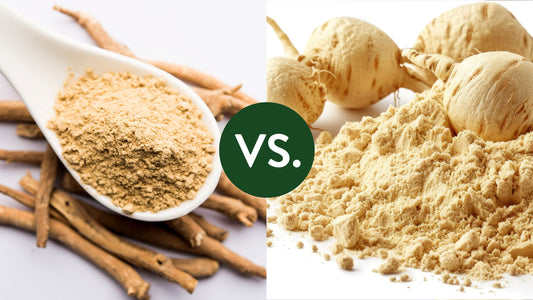
Mighty Maca® Plus is built around organic maca, one of the most well-studied adaptogenic herbs for hormonal support in menopausal women, combined with alkalizing greens, antioxidants, and anti-inflammatory compounds that support the HPA axis and help the body regulate its cortisol output more effectively. (8)
For women with PCOS navigating menopause, this kind of foundational adrenal and blood sugar support can make a meaningful difference in energy, mood, and weight management. Learn more about Mighty Maca Plus here.
I’m also a big fan of intermittent fasting for managing insulin resistance. Watch my interview with fasting expert Dr. Jason Fung below.
PCOS Symptoms That Can Worsen After Menopause
PCOS and menopause symptoms overlap so much that’s it hard sometimes to tell the difference.
Here are the symptoms of PCOS that often get worse after perimenopause/menopause.
Hair Thinning
Androgenic alopecia, the hair thinning driven by androgen excess, can worsen in postmenopause as estrogen's counterbalancing influence declines. Women who experienced some hair thinning during their PCOS years may notice significant acceleration in the postmenopausal period. (3)
For more information about hair thinning, be sure to read this.
Skin Changes
Skin changes, including acne along the jaw and chin, oiliness, and in some cases a paradoxical combination of dry skin with hormonally driven breakouts (ugh), can persist or worsen as your androgen-to-estrogen ratio changes.
Sleep Disruption
Sleep disruption is driven both by the hot flashes and night sweats of menopause and by declining progesterone.
Women with PCOS are often already progesterone-deficient; the additional progesterone loss of menopause compounds this.
Sometimes, supporting progesterone with a gentle topical may help. Learn more about my Balance Cream here.
Cardiovascular Risk
PCOS already elevates baseline cardiovascular risk due to insulin resistance, chronic inflammation, and dyslipidemia. Menopause adds another significant layer of cardiovascular risk as estrogen's protective effects on the vasculature decline.
Women with PCOS entering menopause are therefore at compounded cardiovascular risk, and this is a population that benefits from proactive attention to blood pressure, lipids, blood sugar, and inflammation. (1)
Vaginal Atrophy
I have found that sometimes, genitourinary syndrome of menopause (feeling dry and uncomfortable with an increase in urinary tract infections) can be particularly pronounced for women with PCOS. Because your hormones are imbalanced already, when estrogen drops in menopause, your vaginal and urethral tissues pay the price.
This is where Julva may be able to help. Julva is a topical DHEA-based vulvar cream that supports vulvar tissue health with DHEA and top-tier moisturizers. Learn more about Julva here.

Surgical Menopause and PCOS
Does PCOS go away after the ovaries are removed?
The honest answer is that oophorectomy removes ovarian androgen production but does not resolve PCOS. The adrenal glands continue to produce androgens after oophorectomy, and the insulin resistance and metabolic features of PCOS are not dependent on the ovaries at all. (9)
Women who undergo bilateral oophorectomy with a history of PCOS typically find that some symptoms shift, but that the underlying metabolic and inflammatory picture persists.
Surgical menopause also brings an abrupt and severe form of hormonal deficiency that carries significant risks to bone, cardiovascular, and cognitive health, particularly when it occurs before natural menopause age. (11) This decision deserves careful, individualized consideration with a knowledgeable provider rather than a reflexive recommendation. It is not a cure for PCOS, no matter how tempting it may sound.
What You Can Do: An Integrative Approach
PCOS after menopause is complex. But the foundation you build now matters enormously for how you feel and how you age.
Build the anti-inflammatory foundation first. Before anything else, nutrition is your most powerful lever. A keto-green, alkaline-leaning diet directly addresses insulin resistance, reduces visceral fat accumulation, and starves the inflammatory pathways that drive both PCOS and menopause symptoms. Remove alcohol, sugar, and ultra-processed foods that compromise gut integrity and drive cortisol. Get enough protein to support muscle mass and metabolic function. And don’t forget to resistance train.
Address cortisol and adrenal function. In menopause, the adrenal glands carry more of the hormonal load. When they are overwhelmed, everything suffers, especially for women with PCOS who already have a more demanding hormonal baseline. Mighty Maca Plus supports HPA axis function, helps regulate cortisol output, and provides the adaptogenic and nutritional support that this transition requires.
Support progesterone. If you are in perimenopause or early menopause, topical bioidentical progesterone may be a gentle hormonal support worth exploring. Balance Cream applied to the inner wrists, inner arms, or inner thighs delivers bioidentical progesterone transdermally and may meaningfully support sleep, mood, gut motility, and the progesterone-estrogen balance that PCOS already tends to disrupt.
Attend to genitourinary health. The vaginal and vulvar changes of menopause are real. PCOS can make things worse. Julva supports tissue integrity and comfort in a way that improves quality of life.
Have the hormone therapy conversation honestly. If you need hormone therapy, a history of PCOS should not automatically rule it out. Work with an integrative physician who understands how PCOS interacts with the menopausal transition and who will individualize your protocol rather than applying a standard approach designed for women without your hormonal history.
Monitor your metabolic health actively. Blood sugar, insulin, lipids, blood pressure, and inflammatory markers all deserve regular attention. This is not the time to defer screening.

PCOS in Menopause: Final Thoughts
I’d love to tell you that PCOS simply disappears in menopause. But even though that’s not the case, there’s still a lot you can do to manage symptoms, whether you’re just figuring out that you’ve got PCOS or you’ve been dealing with it for years.
Just remember, the foundation is what matters. Your gut, your adrenals, your cortisol, your diet, your inflammatory burden. Your muscle mass. These are the things that matter now more than ever.
Want to learn more? Take my Menopause Decoded Quiz. It will help you identify your specific hormonal and metabolic profile and point you toward the strategies most relevant for where you are right now.
Frequently Asked Questions
Does PCOS get better after menopause?
For some women, certain symptoms do improve. The irregular cycles that define PCOS in the reproductive years are no longer a factor once periods stop, and for women whose most disruptive symptoms were cycle-related, that can bring genuine relief.
But the metabolic features of PCOS, particularly insulin resistance and the tendency toward visceral fat accumulation, do not improve at menopause and often worsen without targeted intervention. Androgen excess can also become more noticeable, not less, as estrogen declines faster than androgens. So the honest answer is: some things shift, some things improve, and some things get harder. The key is knowing which category your symptoms fall into so you can address them appropriately.
Can you still have PCOS after menopause?
Yes. PCOS does not have an expiration date. It is a lifelong metabolic and hormonal condition, and while its presentation changes across the lifespan, the underlying biology persists.
You can still have the androgen excess, insulin resistance, and inflammatory features of PCOS even when you’re not cycling.
What happens to testosterone in women with PCOS after menopause?
Testosterone and other androgens decline somewhat with age and with the reduction in ovarian activity at menopause, but they do not drop at the same rate as estrogen. Because estrogen falls more sharply, the relative balance shifts in favor of androgens, meaning that androgen-driven symptoms like hair thinning, facial hair, and certain skin changes can actually become more prominent after menopause in women with PCOS, even though total androgen levels may be lower than they were at 30. (3)
Is it harder to lose weight with PCOS and menopause together?
Yes, and it is important to acknowledge this directly. PCOS-driven insulin resistance combined with the menopause-driven shift toward visceral fat storage creates a metabolic environment that does not respond well to caloric restriction alone. The standard advice to eat less and move more is often genuinely insufficient. What works better is an approach that directly addresses insulin load through dietary choices, supports adrenal function to manage cortisol, preserves muscle mass through adequate protein and weight lifting, and reduces the inflammatory burden that both conditions contribute to.
How do I know if my symptoms are from PCOS or menopause?
Often, you cannot tell with certainty, because these two conditions overlap. Weight changes, hair thinning, mood disruption, sleep problems, fatigue, and skin changes are features of both.
The more useful question is usually not which condition is causing a specific symptom but rather what the underlying drivers are, such as insulin resistance, androgen excess, progesterone deficiency, cortisol dysregulation, and how to address them. Working with a provider who understands both PCOS and menopause is more valuable than trying to attribute each symptom to one condition or the other.
Should women with PCOS avoid hormone therapy at menopause?
Not necessarily. The conversation around hormone therapy and PCOS is nuanced, and a blanket avoidance is not supported by the evidence. Women with PCOS who need hormonal support for hot flashes, bone loss, sleep, cognitive function, or cardiovascular protection should have an individualized conversation with a knowledgeable provider rather than accepting a reflexive no. HRT can be a valuable tool here, and combined approaches that include progesterone alongside estrogen are generally most effective. Overall, the goal is a thoughtful, monitored protocol, not just a blanket “no.”
This post is for informational purposes only and is not a substitute for personalized medical advice. Please consult your healthcare provider for diagnosis and treatment. Any references to supplements have not been evaluated by the FDA. These products are not intended to diagnose, treat, cure, or prevent any disease.