When I developed my Balance formula, also known affectionately as Dr. Anna’s Wild Yam Cream, I was thinking about the moment I stood in front of the bathroom mirror, barely recognizing my own reflection. On top of all the hormonal chaos going on in my body, my skin felt drier and thinner around the eyes.
I was having trouble sleeping. My hair was thinning. And I just wanted my face back. As a friend of mine put it, “My iPhone wouldn’t recognize my face ID.”
Maybe you’ve had these kinds of moments too. The changes are real. And they're not just cosmetic. The skin you're living in is shifting, and it needs more than just the Retin-A and exfoliants you’ve been faithfully using for years.
That's why wild yam cream has quietly built a devoted following among women navigating perimenopause and menopause. There’s some really interesting science behind it, too.
This guide covers everything you need to know: what wild yam cream actually is, what the research says about its skincare benefits, how to use it properly, and what separates a truly exceptional formula from the rest of the market.

What Is Wild Yam Cream?
Wild yam cream is a topical skincare product with roots in one of the more fascinating stories in botanical medicine.
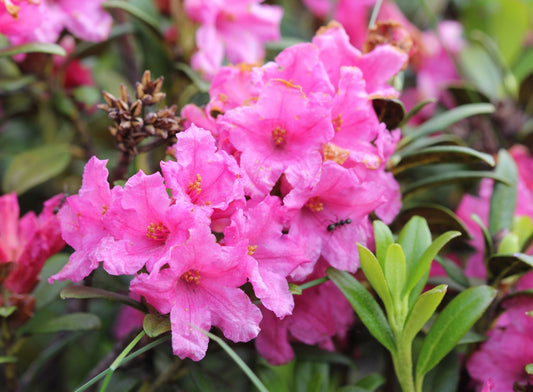
Wild yam, or Dioscorea villosa, is a plant native to North America and parts of Asia. Its root contains a compound called diosgenin, a naturally occurring phytosterol that became significant in the 20th century when scientists discovered it could be used in a laboratory setting as a precursor to synthesize steroid hormones, including progesterone.
This discovery is part of what launched the modern pharmaceutical hormone industry. That history matters because it explains why wild yams and hormonal wellness have been connected in the public conversation for decades.
Diosgenin itself does not convert into hormones inside the human body. The conversion requires specific laboratory processes. But the plant's long association with women's wellness is not without foundation.
How Fluctuating Hormone Levels Affect Skin
Skin is not separate from your hormonal health. It is one of the places where hormonal shifts show up most visibly.
Estrogen and the Skin's Foundation
Estrogen is one of the most important hormones for skin health. Throughout your reproductive years, estrogen stimulates the production of collagen, the structural protein that keeps skin firm and plump. It also supports the production of hyaluronic acid, the molecule responsible for the skin's ability to hold water. And it helps maintain the thickness of the skin itself.
When estrogen levels begin to fluctuate and eventually decline during perimenopause and menopause, all of those processes slow down.
Studies suggest that skin loses roughly 30 percent of its collagen in the first five years after menopause, followed by a 2% loss every year thereafter. (1) The skin becomes thinner, drier, and less resilient. Fine lines that were barely noticeable begin to deepen. The face can take on a slightly deflated quality as the underlying support structure weakens.
This is also one of the big reasons we see changes to vulvar skin. It’s not immune to hormonal fluctuations, either. If you’ve noticed everything feels drier down there, be sure to check out my patented Julva® formula.
Progesterone and Skin Tone
Progesterone also plays a meaningful role in skin health. It supports sebum regulation, helps maintain skin elasticity, and has a natural calming effect on inflammation. When progesterone levels drop, some women experience increased skin sensitivity, a tendency toward dryness, and changes in tone and texture that feel difficult to manage.
The fluctuating ratio between estrogen and progesterone during perimenopause can also trigger unexpected breakouts in women who had clear skin for decades. The skin's sebaceous glands are sensitive to hormonal signals, and when those signals become inconsistent, the skin responds accordingly.
The Moisture Barrier Under Pressure
One of the less discussed but very real effects of hormonal fluctuation is what happens to the skin's moisture barrier. This outer layer of the skin acts as a seal, keeping hydration in and environmental irritants out. Estrogen plays a direct role in maintaining the lipids that make up this barrier.
As estrogen declines, the barrier becomes more permeable, meaning the skin loses water more quickly and becomes more reactive to products and environmental stressors it previously tolerated without issue.
This is why many women in perimenopause suddenly find that products they have used for years start to sting, and why skin that used to feel balanced now swings between dry and irritated. So frustrating!
Collagen Loss and What It Looks Like
The visible effects of collagen loss are cumulative. Skin that once snapped back after being pressed now moves more slowly. The jawline softens. The skin on the neck and chest begins to crinkle. The area around the eyes looks more hollow. These changes are specifically tied to the hormonal shifts of midlife and the downstream effects on skin structure.
Circulation and Skin Radiance
Estrogen also supports healthy circulation in the skin's capillaries. As levels decline, some women notice a change in their complexion: less of that natural flush and glow, more of a dull or sallow quality. The skin simply is not getting the same level of nutrient delivery and oxygenation it once was.

Why This Matters for Your Skin
When you understand the hormonal roots of midlife skin changes…it completely reframes the way you approach skincare.
The task becomes choosing ingredients that speak directly to what is happening beneath the surface: supporting collagen, restoring moisture, strengthening the barrier and microbiome, and supporting healthy levels of inflammation.
That targeted approach is what separates skincare that actually works during this season from products that simply sit on your counter.
Dr. Anna’s Wild Yam Cream and Midlife Skin: 5 Key Benefits
1. Deep Hydration and Moisture Retention
Organic glycerin functions as a skin-conditioning agent, helping the skin draw in and hold onto moisture more effectively. For women experiencing the dryness that often accompanies hormonal fluctuation, this is where my wild yam-derived dream cream first earns its place in a routine.
Skin that has been drinking in adequate moisture feels more supple, looks more awake, and responds better to everything else you apply.
2. Elasticity and Firmness
Dr. Anna’s Wild Yam cream includes bioidentical progesterone derived from wild yams, which may have skin benefits.
A double-blind, randomized, placebo-controlled study published in the British Journal of Dermatology found that topical 2% progesterone significantly increased skin elasticity and firmness in peri- and postmenopausal women compared to a vehicle control. (2)
The formula also includes bioidentical pregnenolone, the mother of all hormones, to support your glow, possibly through its conversion into other hormones, including estrogen. (3,4)
3. Softening and Soothing
Caprylic/Capric Triglyceride, derived from coconut oil, is one of the most effective and well-tolerated emollients in skincare. It spreads easily, absorbs well, and leaves skin feeling smooth without greasiness.
The rough, crepe-like feeling that sometimes develops on the neck, chest, and inner arms begins to ease. It also has a calming quality that can help skin that feels reactive or sensitized, which is common during hormonal transitions throughout life.
4. Collagen Support: Tripeptide-29
Here is where Dr. Anna’s truly sophisticated wild yam cream formula goes further.
Tripeptide-29 is a small-molecule peptide made up of three amino acids: glycine, proline, and hydroxyproline. These are the same building blocks that make up collagen, and that is precisely why this ingredient matters so much.
Because Tripeptide-29 is small, it can penetrate the skin's surface more effectively than larger molecules. Once absorbed, it works to signal the skin's own collagen-producing cells to become more active. The result, with consistent use, is skin that visibly firms, smooths, and even appears to “fill in” over time.
Tripeptide-29 speaks the skin's own language. It uses the same amino acids that make up collagen to encourage the skin to produce more of its own.
Women using formulas with Tripeptide-29 often report a reduction in the appearance of fine lines, improvement in skin texture and tone, and a plumper, more hydrated look overall. When combined with the moisturizing and soothing properties of wild yam extract, the synergy is real.
5. Antioxidant Support from Botanicals
Dr. Anna’s wild yam cream formulation also layers in additional plant-based actives that restore.
Grape seed extract is one of the most impressive, rich in oligomeric proanthocyanidins, antioxidants that help neutralize free radical damage and support collagen integrity.
Carrot root extract brings beta-carotene and additional antioxidants that promote a more even, luminous complexion.
Rosemary extract adds another layer of antioxidant defense while also offering natural fragrance.
Organic lavender oil rounds things out with its well-documented calming and skin-soothing benefits.
Coconut fruit extract provides additional hydration, helping to plump and protect the skin's moisture barrier throughout the day.

How to Use Wild Yam Cream
Getting the most out of wild yam cream comes down to consistent, intentional use.
Here’s how to use it best.
Where to Apply It
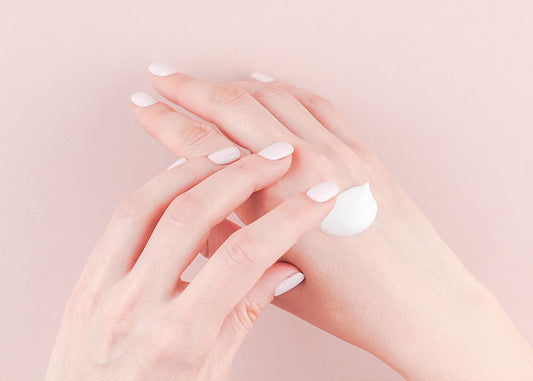
Wild yam cream can be applied to most areas of the body where skin changes are most noticeable. Common areas include the face, neck, chest (decolletage), the soft skin of the inner arms, the lower abdomen, and the tops of the feet and hands. For skincare purposes, focusing on areas where you are seeing the most dryness, thinning, or loss of elasticity makes the most sense.
When to Apply
Most women find that applying wild yam cream once or twice daily works well, but everyone is different. Always consult with your physician before beginning any topical supplement.
Evening application allows the skin to absorb the actives overnight, when skin repair processes are most active. Applying to slightly damp skin can help with absorption and overall efficacy.
Sometimes, women who are already taking oral progesterone to help with sleep find Balance (Dr. Anna’s wild yam cream) is gentle enough to use in the afternoon for extra support.
What to Expect
Some benefits, particularly hydration and softening, are noticeable within the first few days.
Improvements in texture, tone, and the appearance of fine lines take longer. Give any new skincare product at least four to six weeks of consistent use before evaluating results. Skin remodeling is a slow process, and the best outcomes come to those who are patient and consistent.
Wild Yam Cream and the Midlife Wellness Picture
For many women, wild yam cream arrives as part of a broader inquiry. Something shifts in the mid-40s or early 50s, and the questions that come up are rarely just about skincare. They are about energy, sleep, mood, weight, and a general sense of feeling out of sync with a body that used to feel more familiar.
Wild yam cream, used as a topical skincare product, addresses the skin piece of that picture directly. But many women who find their way to wild yam cream are also exploring what it means to support their bodies well during this stage of life. That conversation often expands to include nutrition, movement, stress management, and sometimes a closer look at what role hormonal balance plays in overall well-being.
There is nothing wrong with being curious about all of it. Midlife is a season that deserves real attention and genuinely supportive tools.
Many women discover wild yam cream as part of a larger invitation to take midlife seriously. It fits into a broader commitment to overall wellness.

The Problem with Most Wild Yam Creams
Not all wild yam creams are created equal, and the gap between a well-formulated product and a poor one is significant enough to matter. Here’s what to look out for.
Cheap Filler Ingredients
Some wild yam creams are built primarily on low-cost emollients, synthetic preservatives, and artificial fragrances with a token amount of wild yam-derived ingredients added for marketing purposes. These formulas may feel pleasant but deliver little beyond basic moisturization. If the ingredient list reads like a chemistry textbook full of unrecognizable synthetics, that is worth noticing.
No Supporting Actives
Wild yam is a strong foundation, but it performs best when paired with complementary actives. A formula without peptides, antioxidants, or botanical support is leaving significant benefits on the table. For women whose skin is navigating real changes, that missed opportunity adds up.
Wild Yam Cream Side Effects: What to Know
Some people may have sensitivities to specific botanical ingredients in this formula. If you have known allergies to plants in the Dioscoreaceae family or to any of the additional botanicals in a product, a patch test before full application is a sensible precaution. Apply a small amount to the inner arm, wait 24 hours, and assess before using it on larger areas.
For women who are pregnant, breastfeeding, or managing specific health conditions, wild yam cream should not be part of your skincare routine. Always consult with a healthcare provider.
If you experience any unusual redness, itching, or irritation, discontinue use and speak with your dermatologist or physician. Reactions are uncommon, but they can happen, and your comfort and safety come first.
Don’t forget a patch test when starting any new topical product!
Why Dr. Anna's Wild Yam Cream Is Different
Dr. Anna Cabeca is a triple-board-certified OB/GYN and expert in women's health and hormonal wellbeing. Her formulation approach reflects decades of clinical experience and a deep commitment to what actually serves women at this stage of life.
Dr. Anna's Wild Yam Cream (also known as Balance) brings together everything discussed in this guide into a single, thoughtfully constructed formula:
Wild yam-derived bioidentical progesterone plus pregnenolone as the foundation, delivering skin-conditioning and moisture-supporting benefits
Tripeptide-29 to support the skin's own collagen production, improve texture and tone, and reduce the visible signs of aging
Grape seed extract, carrot root extract, and rosemary extract for layered antioxidant support
Organic lavender oil for its calming, soothing properties on reactive or sensitized skin
Coconut fruit extract and organic glycerin for sustained, deep hydration
Lactobacillus to support the skin's natural microbiome and moisture barrier
As always, before beginning any supplement regimen (even topical), be sure to consult with your healthcare provider.
This is a formula built with intention, transparency, and respect for what midlife skin actually needs.
If your skin has been asking for something different, this may be the answer worth trying.
These statements have not been evaluated by the Food and Drug Administration. This product is not intended to diagnose, treat, cure, or prevent any disease. The information in this article is for educational purposes only and is not a substitute for professional medical advice. Always consult your healthcare provider before beginning any new supplement or skincare regimen.